
 +99871 200 32 00
 info@tangroup.uz
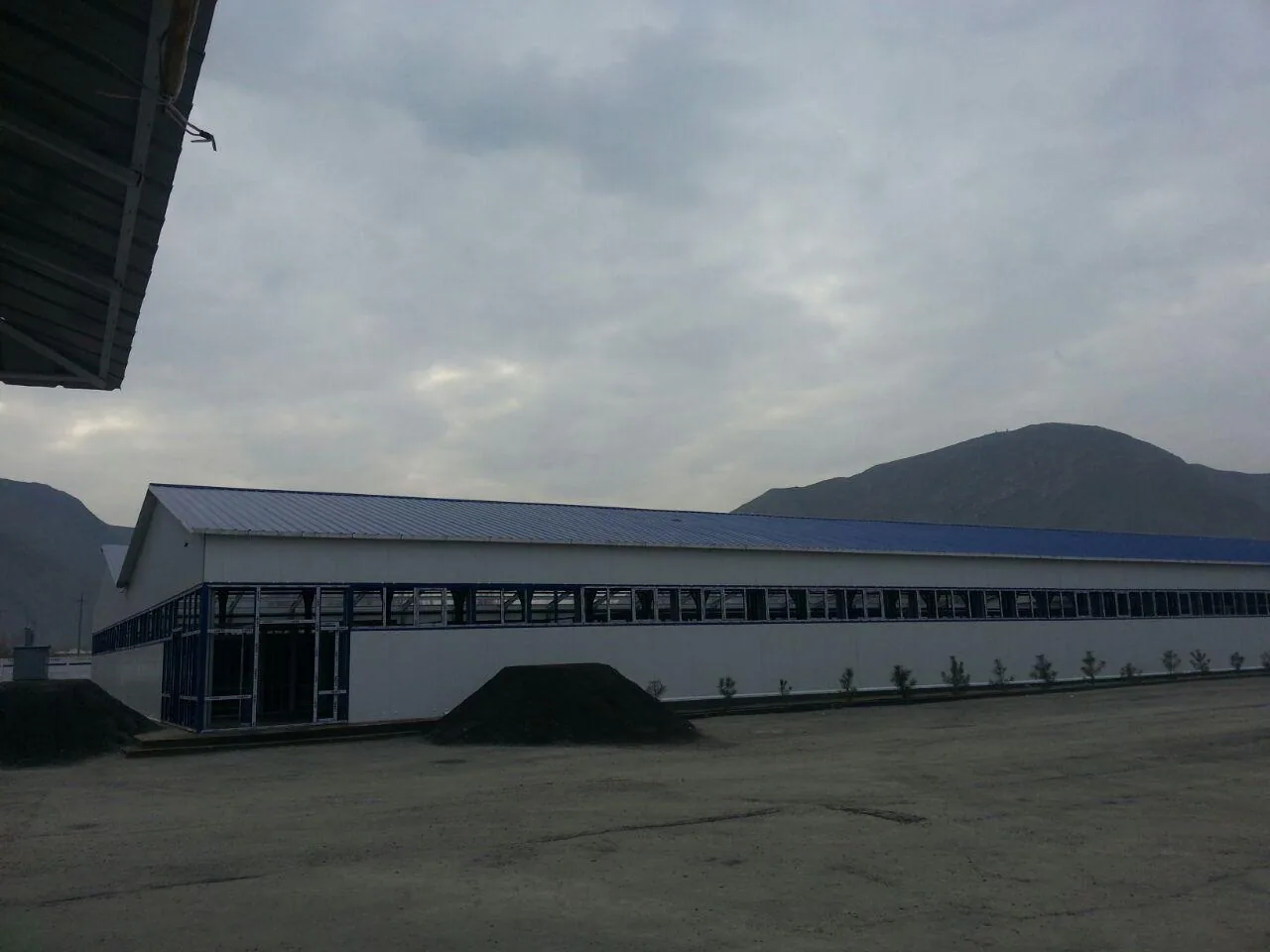
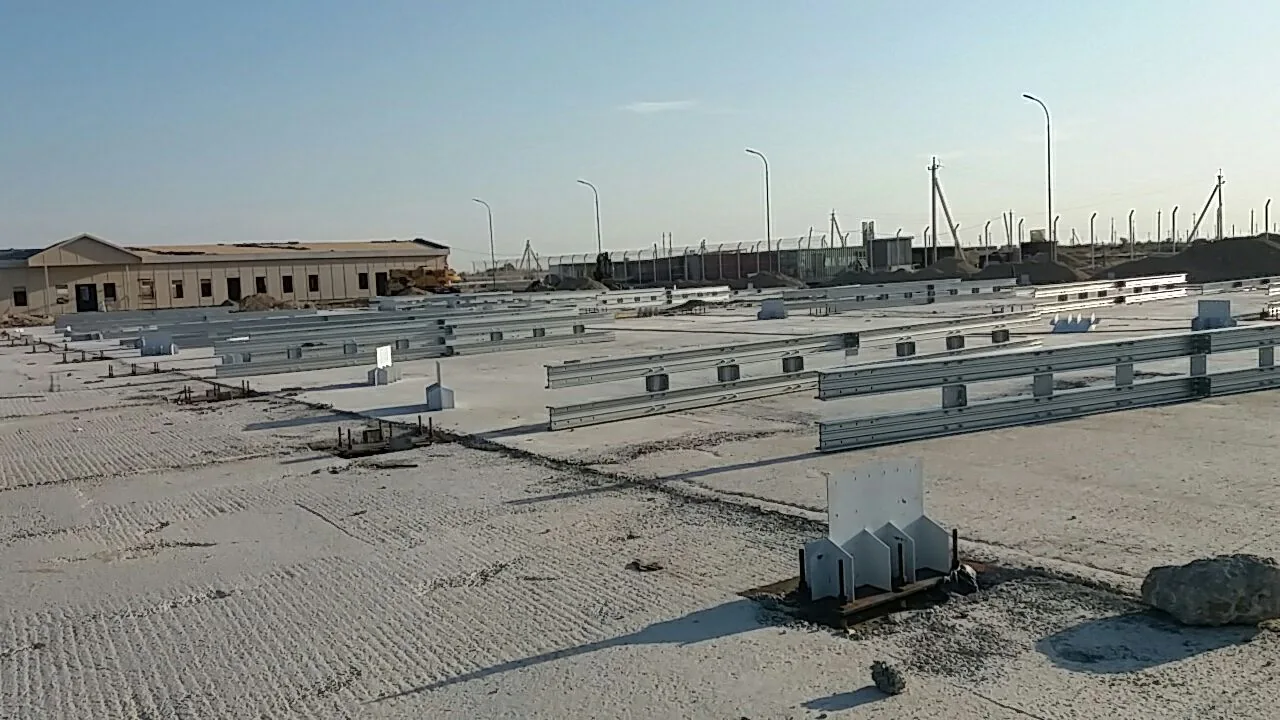
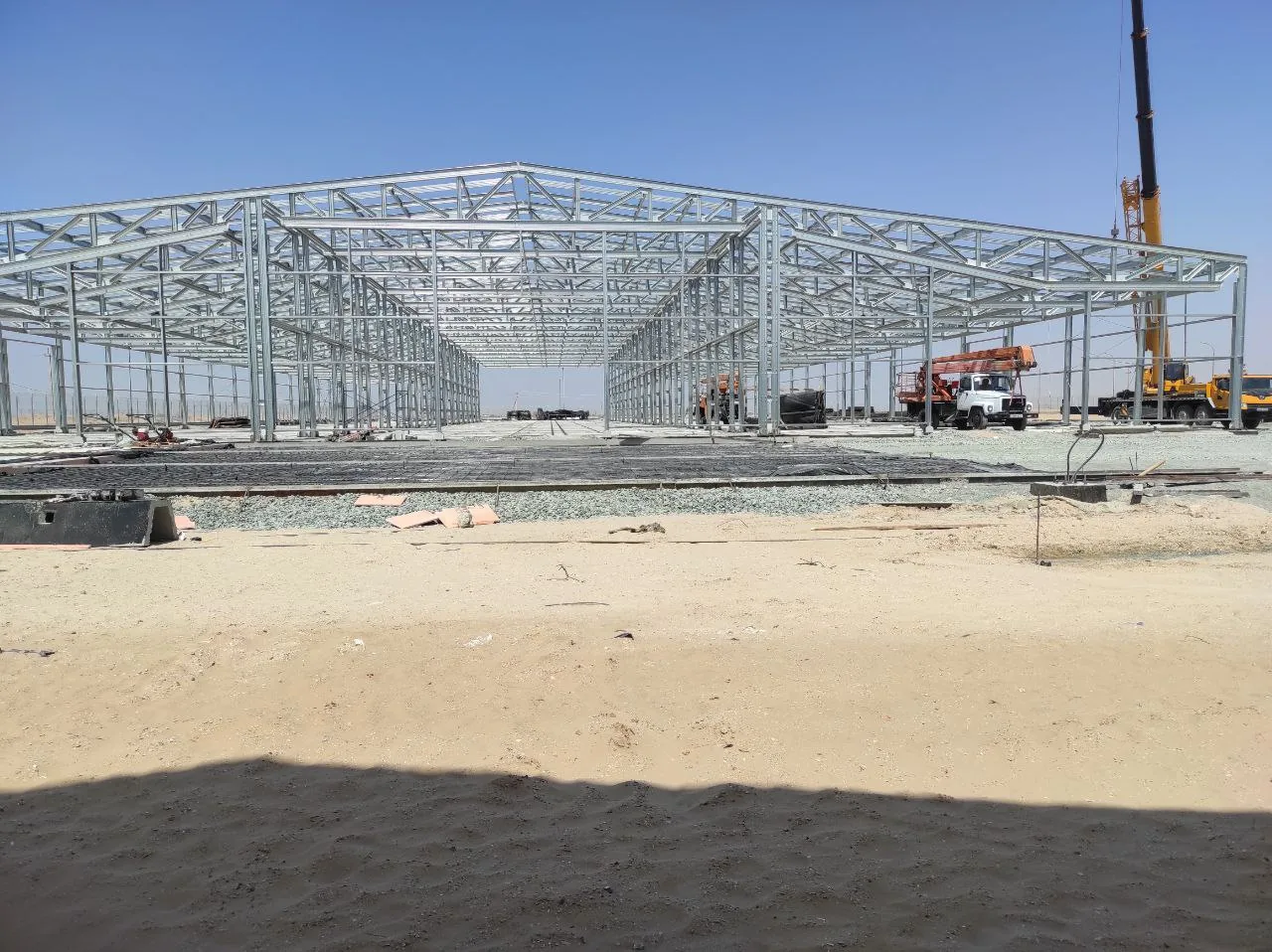
One of the most common questions from anyone planning to build a hangar is simple: "How long will it last?" It's a fair question — construction is always a long-term investment. Let's take a closer look at the expected lifespan of an LSTK hangar and how warranties typically work.
Expected Lifespan of an LSTK Hangar
Buildings constructed with LSTK steel framing generally last 30 to 50 years when properly designed and assembled. This figure primarily refers to the metal frame itself. In practice, the actual lifespan depends on a range of factors — from the quality of steel and coatings to how the building is used day to day.
With regular maintenance and timely anti-corrosion treatment, many LSTK structures can serve well beyond that range.
Key Factors That Affect Durability
Not all hangars are created equal. Here are the main things that determine how long an LSTK structure will stand:
- Steel quality and protective coating. The thickness of galvanization and the type of paint directly affect corrosion resistance. Thicker zinc coating means a longer-lasting frame.
- Foundation design. The foundation must match the soil type and load requirements. Mistakes at this stage lead to structural deformation over time.
- Assembly quality. Precise connections at joints and nodes are the backbone of structural integrity. That's why technical supervision during construction is so important.
- Climate conditions. Wind loads, temperature swings, humidity levels — all of these should be factored into the design.
- Usage type. Storing aggressive chemicals or operating in high-temperature environments accelerates wear.
The basic principle: the better built and better maintained your hangar is, the longer it will serve you.
The Role of Sandwich Panels
Walls and roofing in LSTK hangars are most often clad with sandwich panels. These panels typically have a service life of around 25–30 years. To get the most out of them:
- Avoid mechanical damage to the outer layer
- Keep the seams between panels properly sealed
- Ensure the drainage system works correctly
One practical advantage is that panels can be replaced individually without disassembling the frame — making future repairs straightforward.
How Warranties Are Typically Structured
A warranty on an LSTK hangar usually covers several components separately:
| Warranty Type | Typical Duration |
|---|---|
| Structural frame integrity | 10–25 years |
| Assembly and installation work | 1–3 years |
| Sandwich panels | 1–5 years |
| Roofing and waterproofing | 1–3 years |
The construction contract should specify exactly what is covered, and under what conditions the warranty may be voided. For instance, unauthorized modifications to the structure by the owner could invalidate certain guarantees.
What to Check Before Signing
- Make sure warranty terms and durations are explicitly stated in the contract
- Verify that all acceptance documents — hidden works reports, as-built drawings — are properly completed
- Clarify the process for filing warranty claims
- Ask about separate provisions for latent defects
How to Extend Your Hangar's Lifespan
Building the hangar is just the beginning. What comes after matters just as much:
- Inspect metal surfaces at least once a year for signs of rust or coating damage
- Check the seals between sandwich panels and the LSTK frame for airtightness
- Clean the gutter and drainage system regularly
- Add extra floor protection in high-traffic or heavy-load zones
Catching small issues early prevents them from becoming costly problems later.
Final Thoughts
An LSTK hangar is a structure that goes up fast but can stand for decades. Its true lifespan comes down to three things: a sound design, skilled assembly, and consistent upkeep. The contractor's warranty is your safety net — but it only works when the terms are clearly spelled out in the contract. Take the time to review the paperwork, ask questions upfront, and your hangar will serve you reliably for years to come.