
 +99871 200 32 00
 info@tangroup.uz
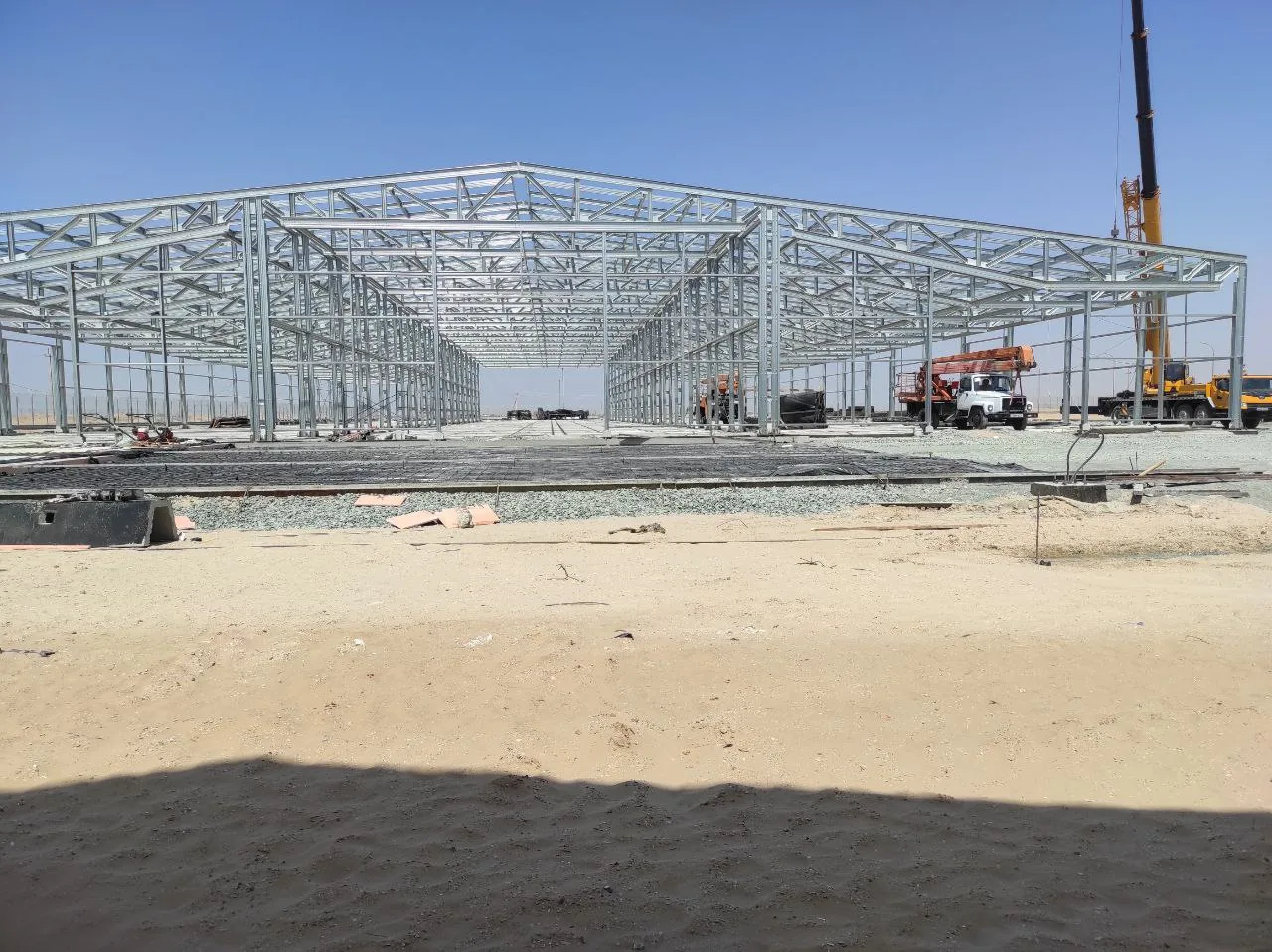
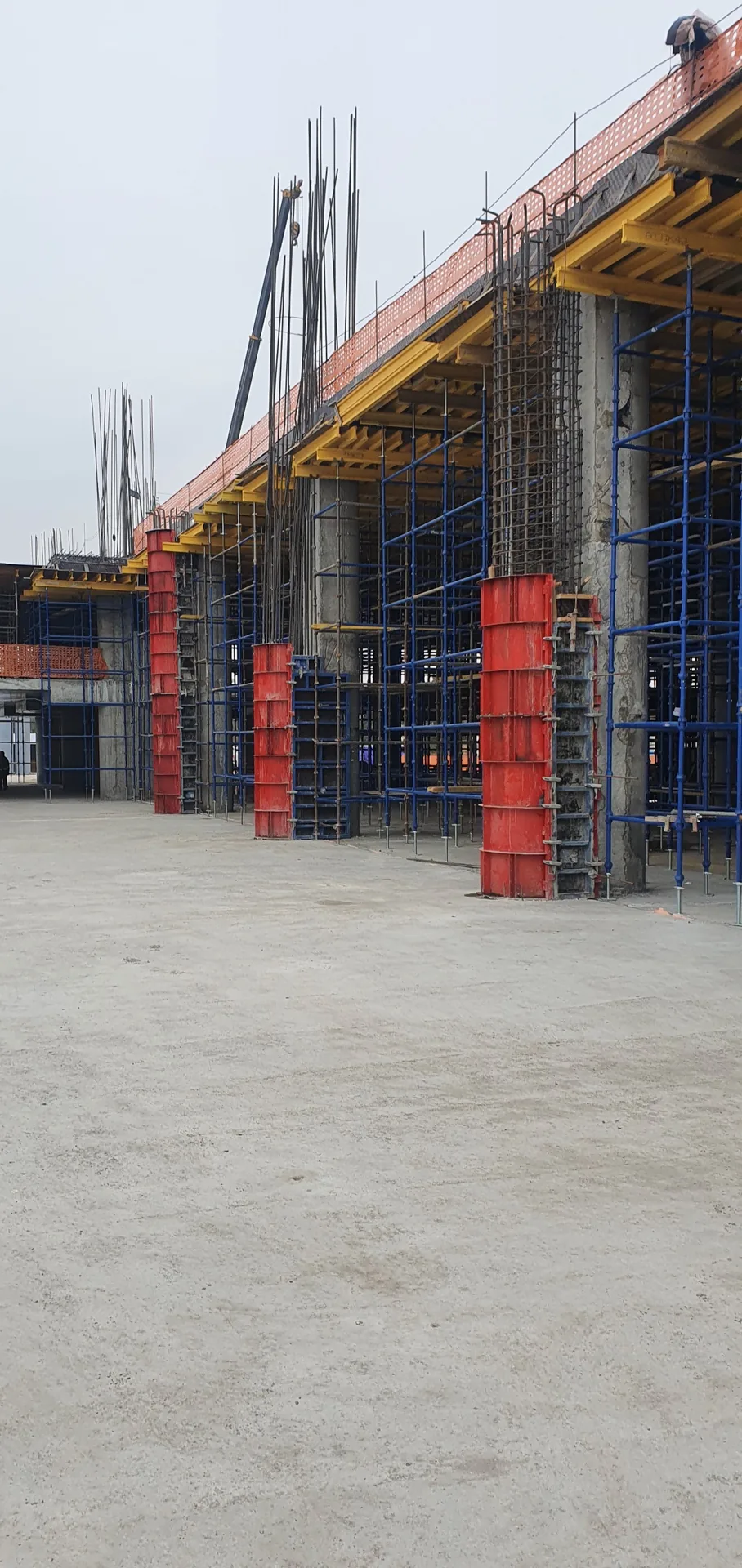
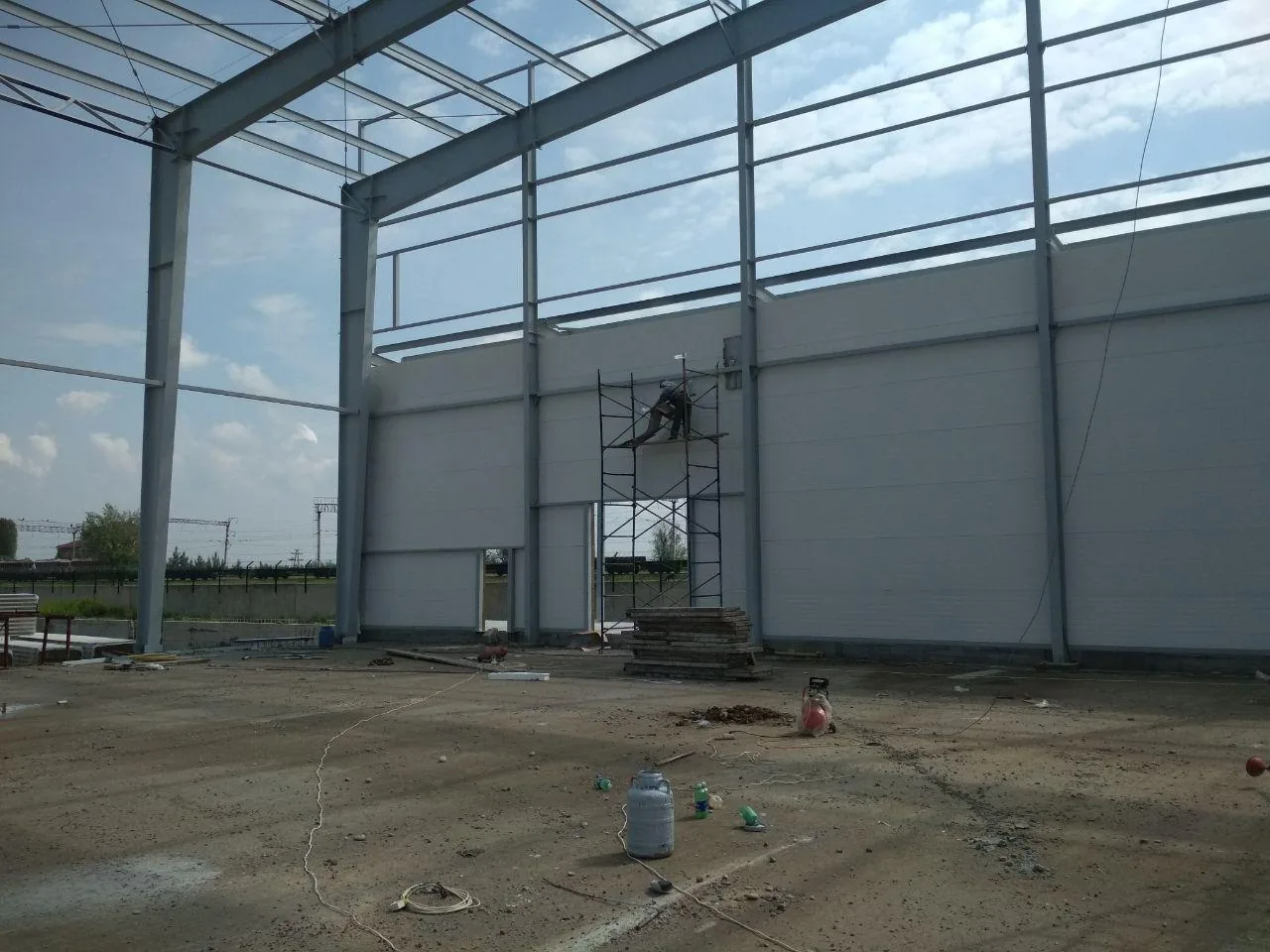
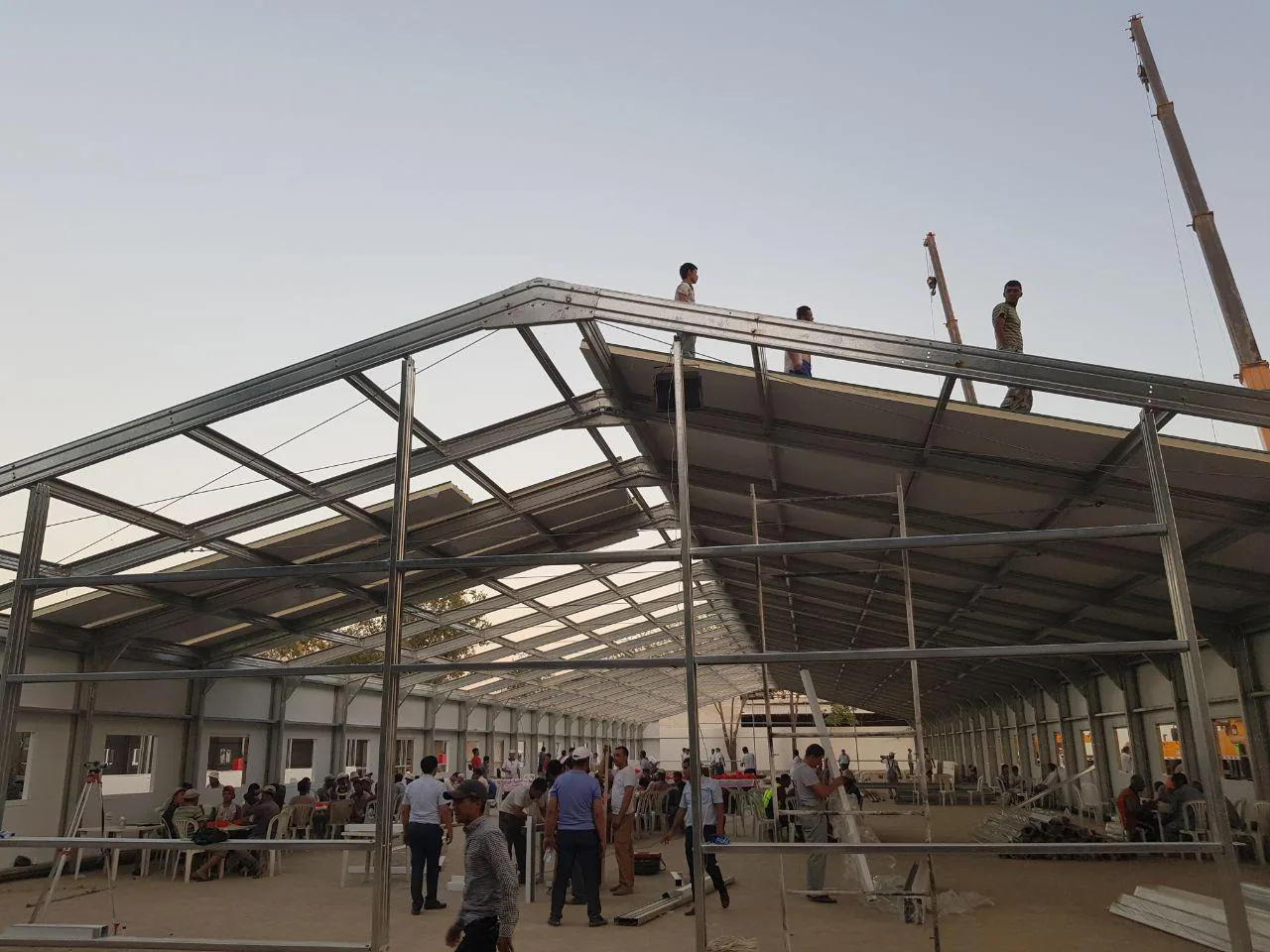
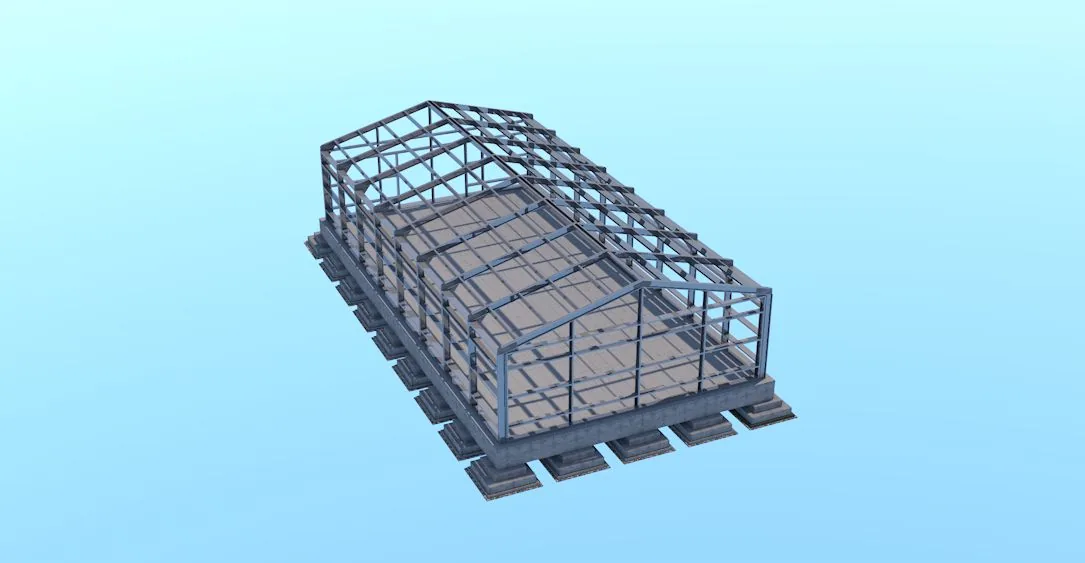
When you're planning a construction project, one of the very first decisions you face is choosing the structural system. LSTC, structural steel, reinforced concrete — each option has its strengths, but none is universally "the best." The right choice depends entirely on your project. Let's walk through the differences in a practical, straightforward way.
LSTC — Light Steel Thin-Walled Construction
LSTC (sometimes written as LSTK from the Russian abbreviation) refers to frames built from galvanised steel profiles. The components are manufactured at a factory and then assembled on site using bolted connections.
Key characteristics of LSTC:
- Lightweight structure — the load on the foundation is minimal, which significantly reduces foundation costs.
- Fast assembly — elements arrive ready-made; the crew essentially bolts them together.
- Galvanised coating provides corrosion resistance without additional painting.
- Works exceptionally well combined with sandwich panels, delivering solid thermal and acoustic insulation.
LSTC is typically suited for 1–3 storey buildings: warehouses, hangars, small production facilities, retail pavilions, and even residential houses. When deadlines are tight, this technology allows you to complete a building in a matter of weeks.
Structural Steel — Heavy Metal Frameworks
Structural steel construction — often called "black metal" in post-Soviet terminology — uses thick-walled steel sections: I-beams, channels, and tubes. These are joined by welding or high-strength bolts to create a robust load-bearing frame.
The term "black metal" comes from the fact that hot-rolled steel leaves the mill without any protective coating, appearing dark. It requires primer and paint to guard against rust.
Strengths of structural steel:
- High load-bearing capacity — capable of spanning large distances and supporting overhead cranes.
- Suitable for large industrial buildings and multi-storey structures.
- Welded joints create a rigid, dependable frame.
The downsides include susceptibility to corrosion, the need for a heavier foundation, and longer erection times compared to LSTC. You can read more about why steel structures are chosen for many projects.
Reinforced Concrete — The Heavyweight Classic
Reinforced concrete is the combined work of steel rebar and concrete. The rebar handles tensile forces while the concrete resists compression. Together they form an extremely strong and long-lasting structure.
Two main types:
- Cast-in-place (monolithic) — formwork is set up on site, rebar is tied, and concrete is poured. This allows virtually any shape.
- Precast — factory-made elements such as slabs, columns, and beams are transported to the site and installed.
Reinforced concrete is irreplaceable for high-rise residential buildings, bridges, tunnels, and hydraulic structures — anywhere maximum durability and height are required. However, construction timelines are typically longer and costs tend to be higher.
Comparing the Three Technologies
| Parameter | LSTC | Structural Steel | Reinforced Concrete |
|---|---|---|---|
| Weight | Light | Medium-heavy | Heavy |
| Construction speed | Fast | Moderate | Slow |
| Storey range | 1–3 storeys | 1–10+ storeys | Virtually unlimited |
| Corrosion resistance | High (galvanised) | Low (needs protection) | High |
| Foundation requirements | Minimal | Moderate-high | High |
| Relative cost | Economical | Moderate | Higher |
The golden rule: there is no "best" structural system in the abstract — only the one that fits your specific project.
When to Choose What?
Here is a simple guide:
- Warehouse, hangar, small workshop — LSTC is usually the most rational pick. It's fast, cost-effective, and can even be built in winter.
- Large industrial facility with crane runways and wide spans — structural steel is the way to go.
- Multi-storey residential building, bridge, or specialised structure — reinforced concrete has practically no alternative.
In practice, these technologies are often combined. A reinforced concrete foundation beneath a steel frame is completely standard. Similarly, certain areas within an LSTC building may be reinforced with concrete elements where extra strength is needed.
Conclusion
Each structural type serves its own purpose. LSTC shines when speed and budget matter most. Structural steel handles heavy loads and wide spans. Reinforced concrete delivers when height and longevity are non-negotiable. Define your building's purpose, height, budget, and timeline — and the right structural choice will become clear.