
 +99871 200 32 00
 info@tangroup.uz
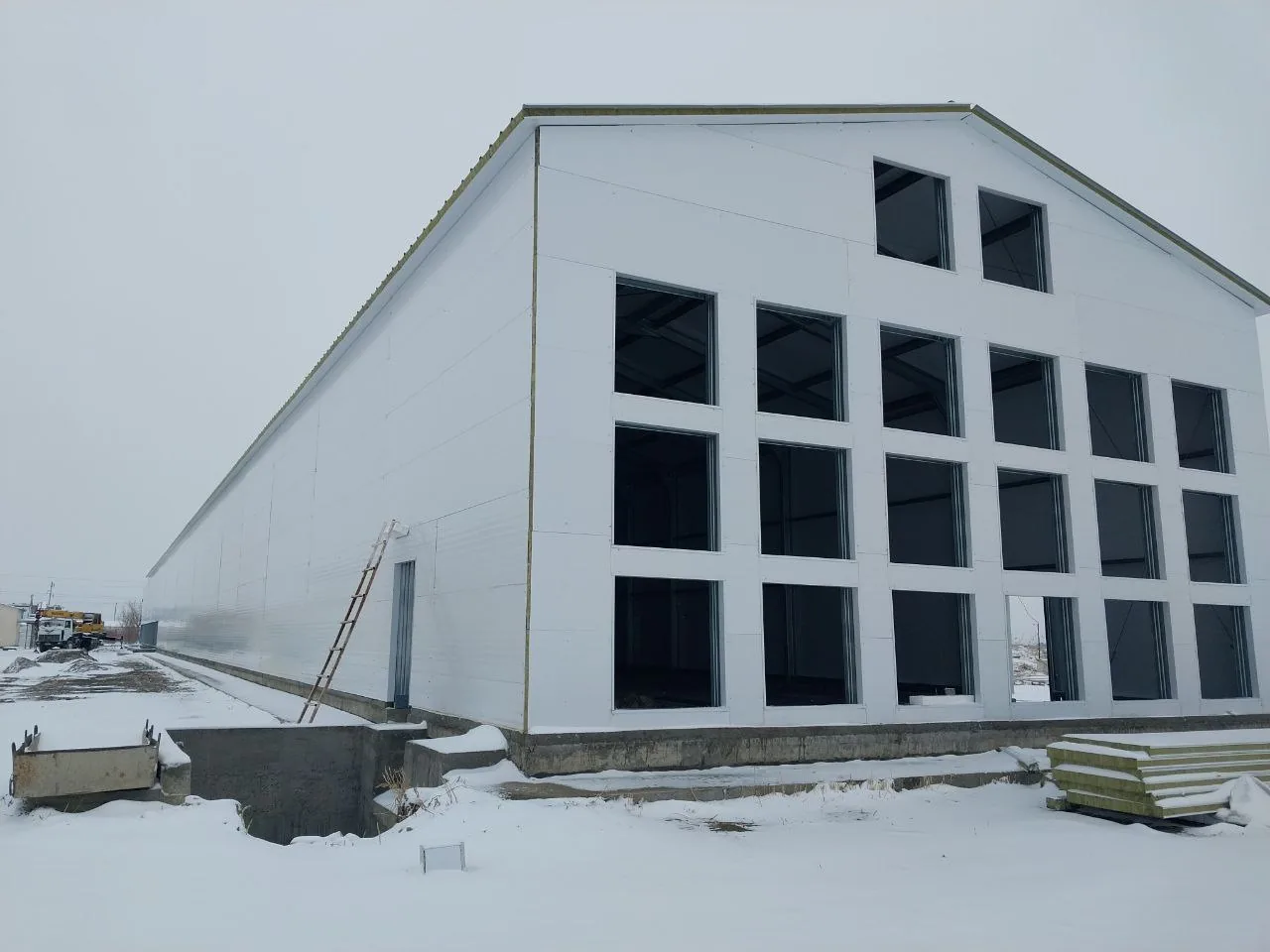
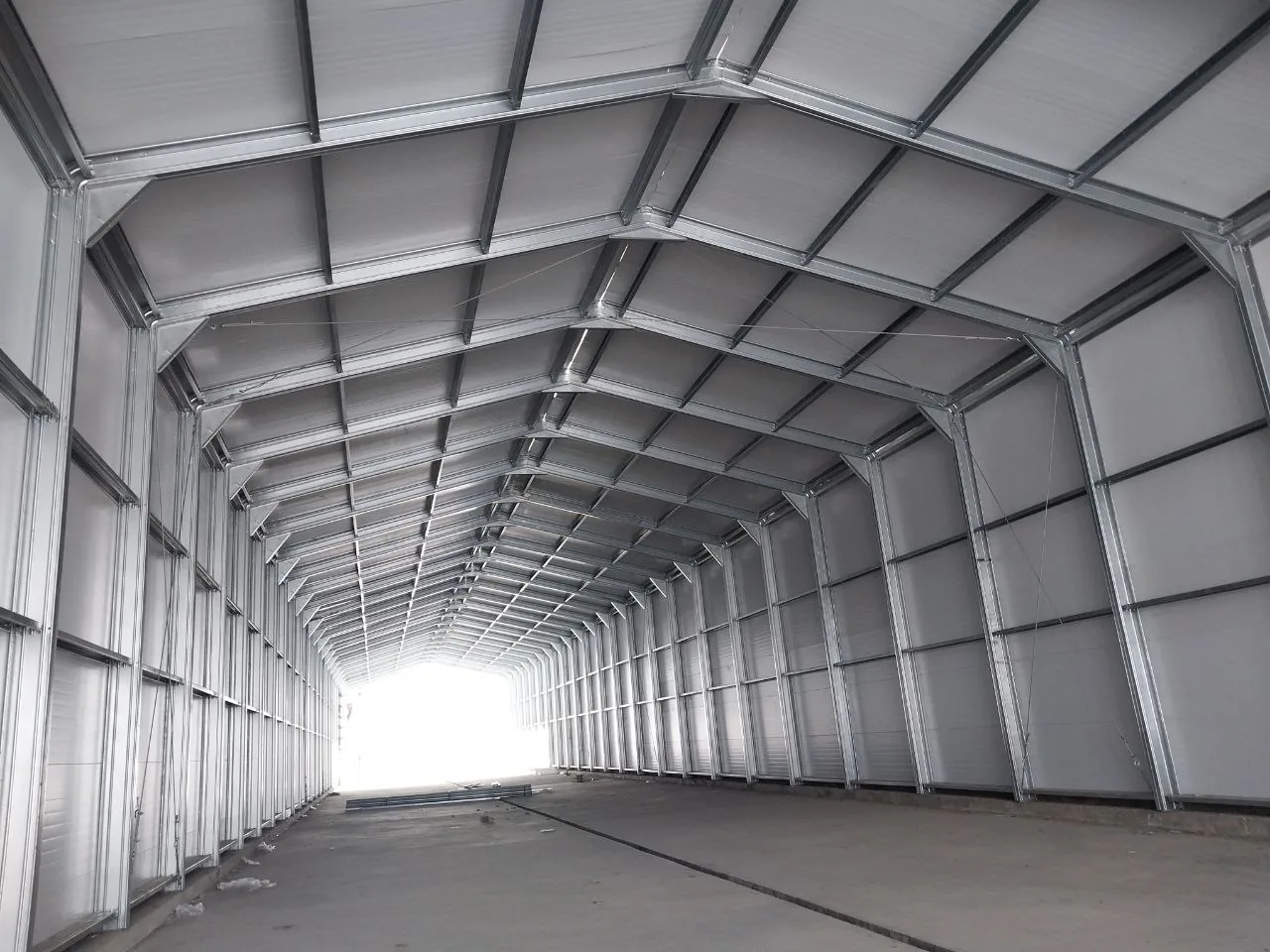
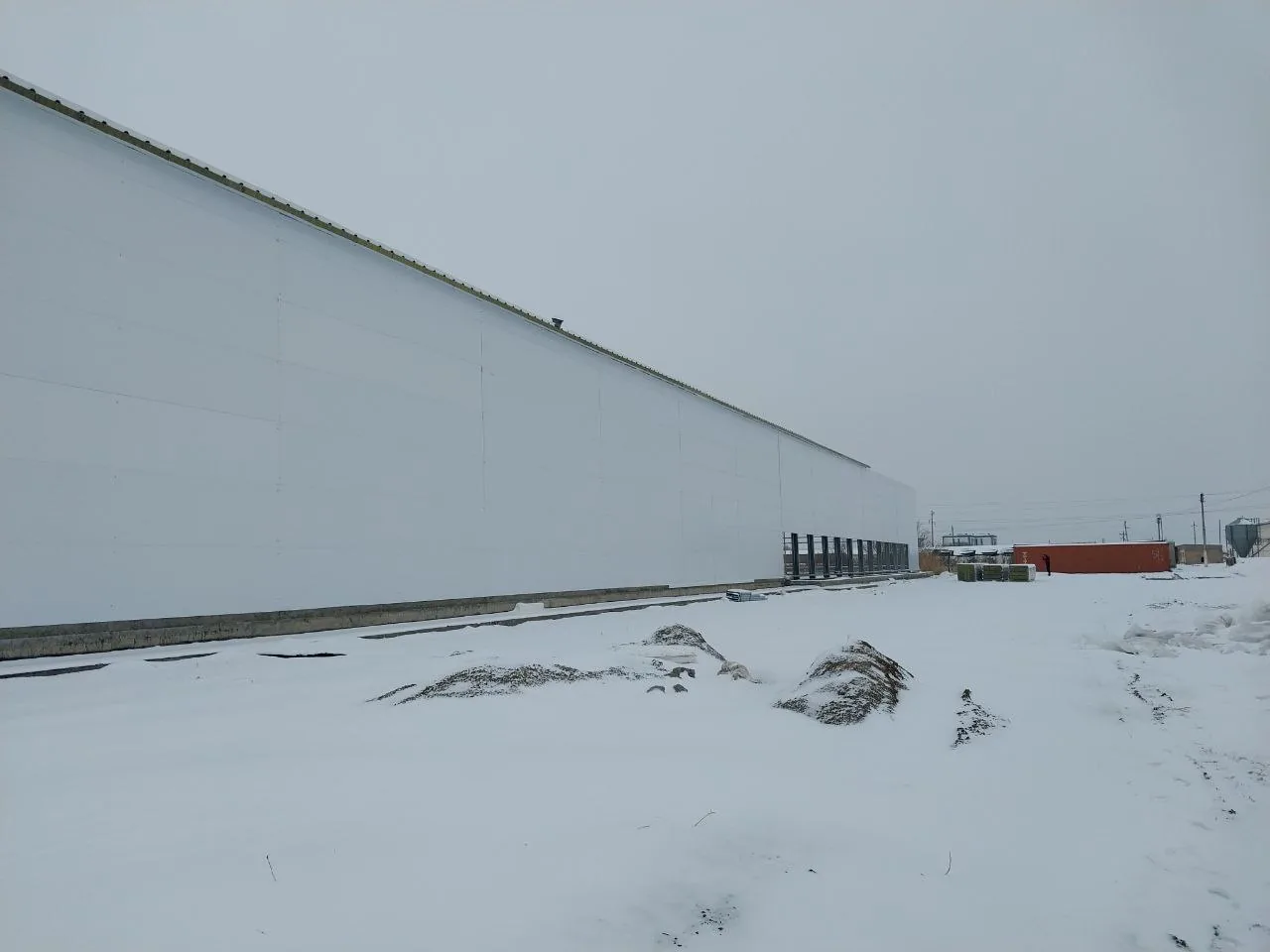
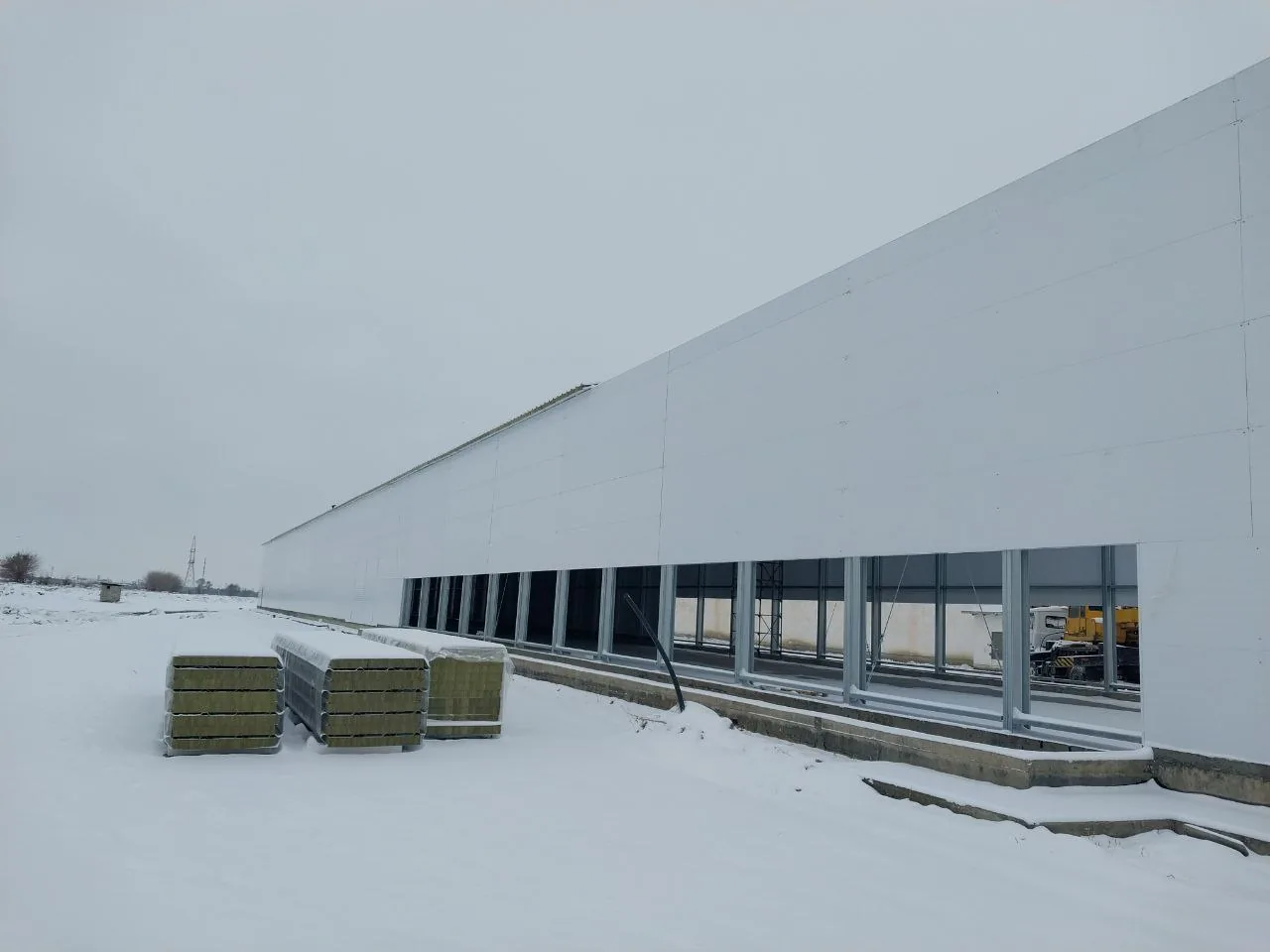
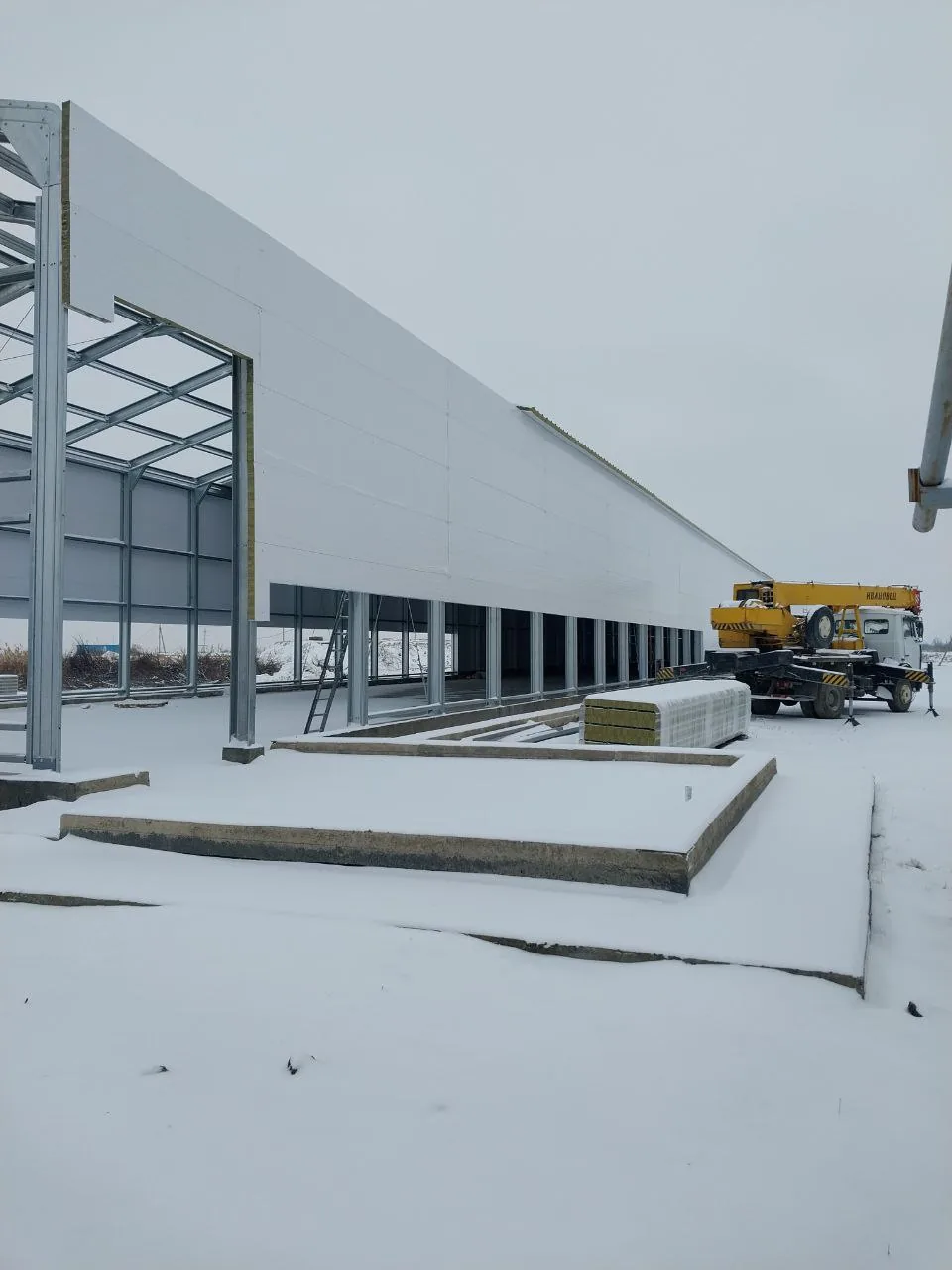
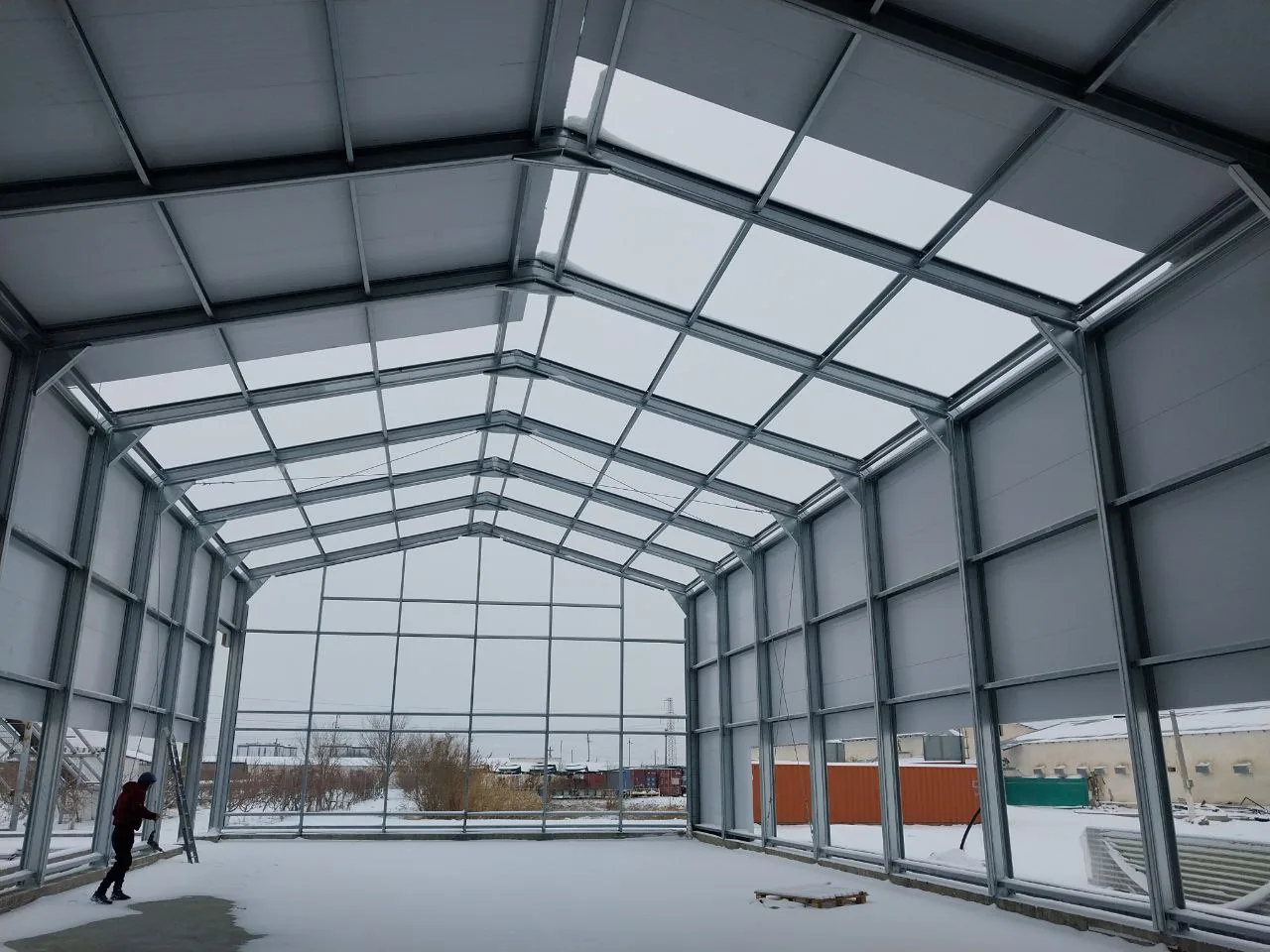
When winter arrives, many people assume that construction must wait until spring. For traditional brick-and-mortar building, there is some truth to this — concrete needs positive temperatures, and wet processes freeze. But when it comes to buildings made of steel frames and sandwich panels, the picture is entirely different. Let's explore whether winter really is an obstacle for this type of construction.
Why can a steel frame be assembled in winter?
The key advantage of steel structures is that assembly is a dry process. Bricklaying needs mortar, concrete needs water — and water freezes. A steel frame, on the other hand, is assembled from prefabricated elements using bolts and welding.
At extremely low temperatures — below minus 20°C — welding does require extra precautions. However, in most parts of Uzbekistan, winter temperatures rarely drop that far. This means working with steel structures can continue virtually year-round.
Installing sandwich panels in the cold
A sandwich panel is a finished product: two metal sheets with insulation in between. Installation is also dry — panels are fastened to the frame with self-tapping screws and specialised fixings. No concrete or mortar required.
In cold weather, the advantages of sandwich panels become even more apparent:
- Fast installation — the building envelope can be closed within days
- Thanks to built-in insulation, the interior warms up quickly
- Rain and snow do not damage the material since the panel is factory-sealed
One small consideration: sealants and gasket tapes stiffen in the cold. Experienced crews handle this easily — they store consumables in a heated space and prepare them right before installation.
The foundation question: the most critical step
While the steel frame can go up in winter, pouring the foundation requires a separate approach. Concrete foundations can be poured in winter, but certain measures are needed:
- Adding antifreeze admixtures to the concrete mix
- Covering freshly poured concrete with insulating blankets
- Monitoring temperature during the first days of curing
If a project kicks off in autumn and the foundation is ready before sustained freezing, the frame and panels can be installed throughout winter. This is exactly why many projects are deliberately scheduled for the autumn–winter window.
Practical tip: if you are planning a warehouse or production facility, pour the foundation in autumn and install the frame and panels in winter — your building will be ready by spring.
The real benefits of winter construction
Many see winter as a setback, but in practice the season offers tangible advantages:
- Lower prices — materials and labour typically cost less during the colder months
- The building is ready by spring — production or business can start immediately
- Shorter queues — contractors are more available and scheduling is easier
- Year-round employment — the construction crew stays productive without downtime
Experience with building factories using LSTC technology shows that with proper planning, winter has almost no impact on construction speed.
What to watch out for
Winter construction calls for a few important practices:
- Clear steel elements of snow and ice before assembly
- Carry out welding in wind-sheltered conditions
- Provide the crew with a heated break room and hot meals
- Arrange proper lighting for the shorter daylight hours
- Maintain technical supervision regardless of weather conditions
These measures might seem like extra expense, but in practice the cost is minor — especially when weighed against shorter timelines and avoiding the spring price surge.
Conclusion
Building with steel frames and sandwich panels in winter is not only possible — it is often advantageous. The key is planning the sequence of work correctly, handling the foundation ahead of time, and partnering with an experienced team. If you have a warehouse, workshop, or prefabricated building project in mind, don't wait for warm weather — start planning now.