
 +99871 200 32 00
 info@tangroup.uz
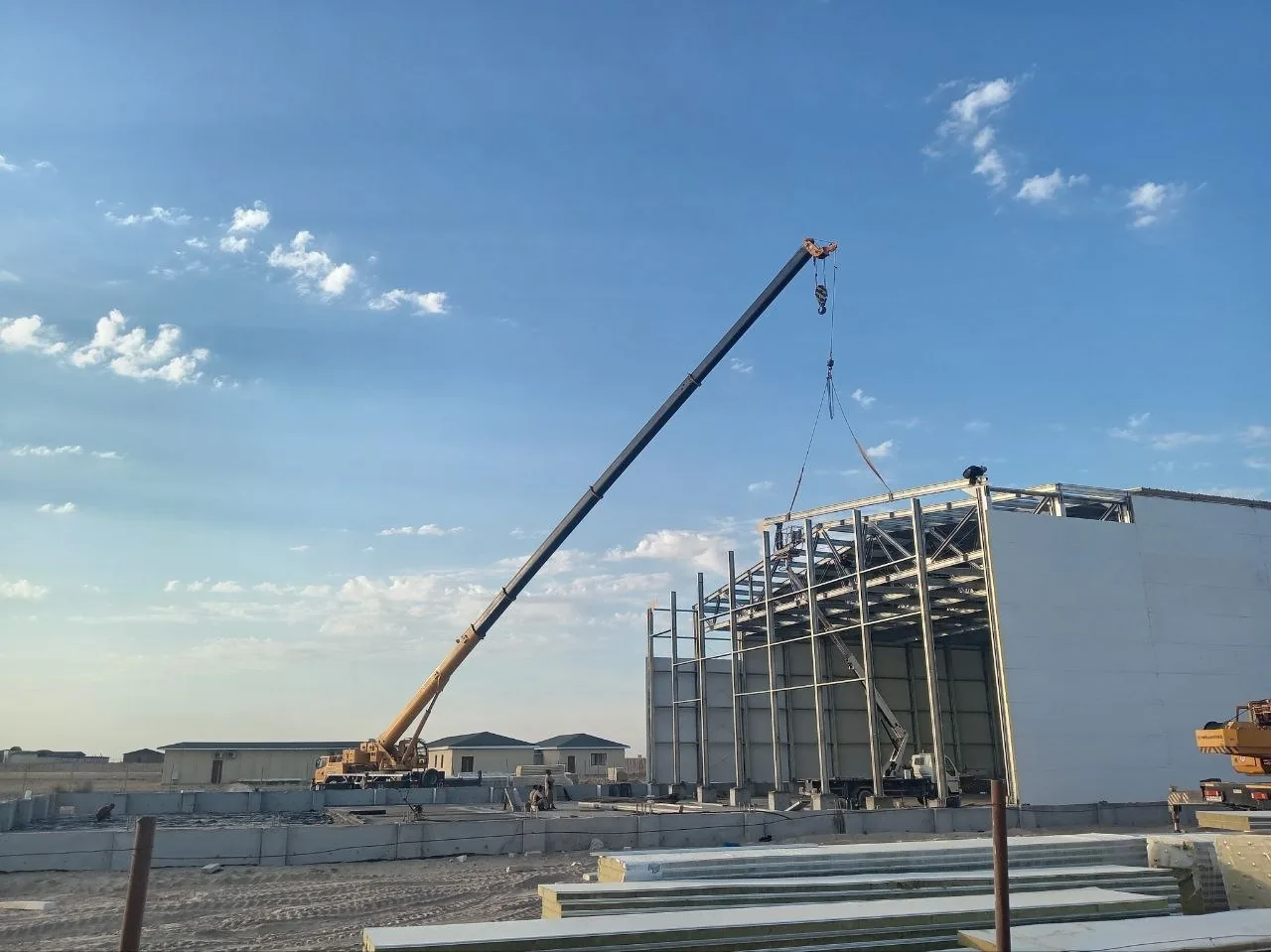
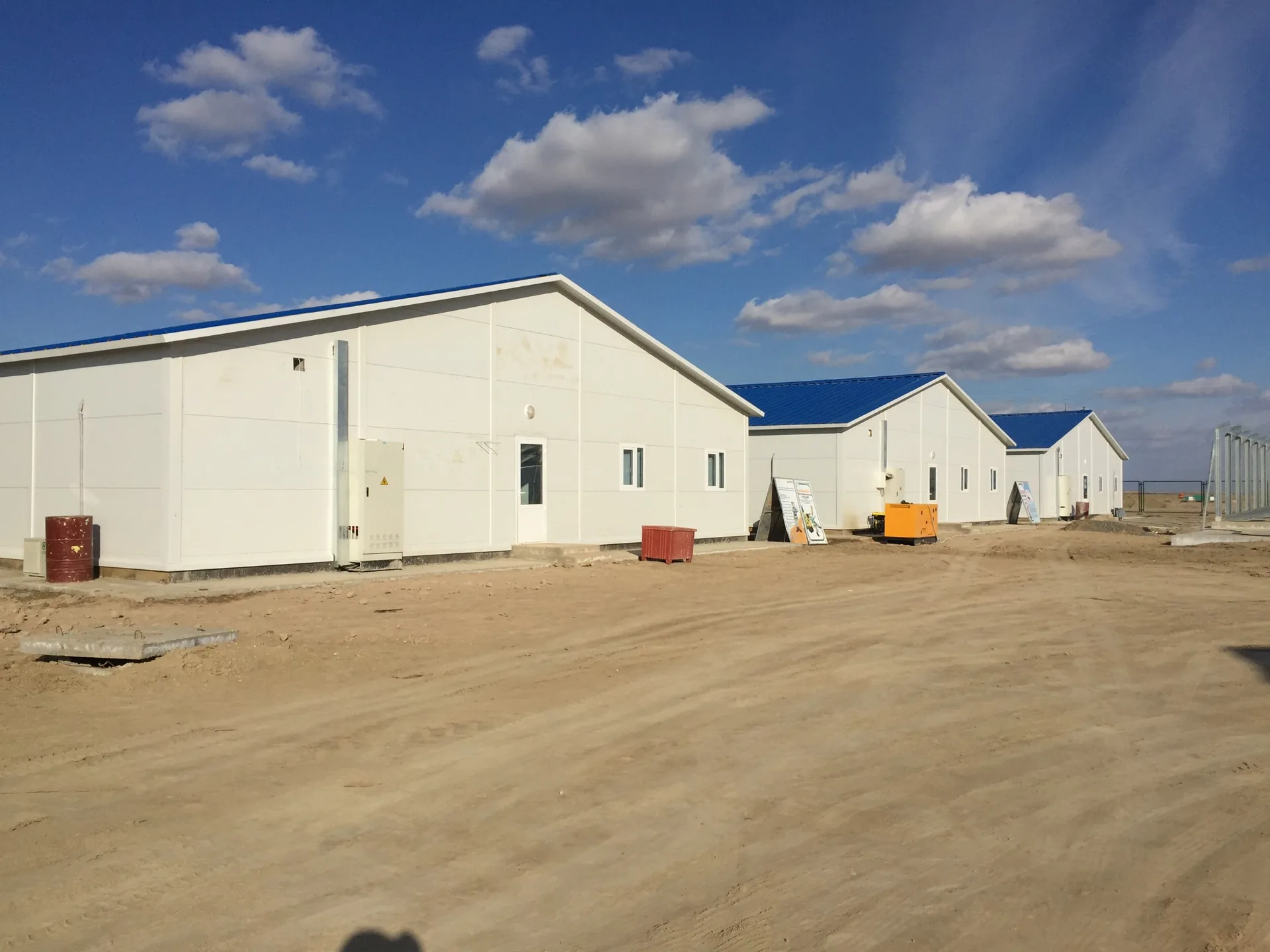
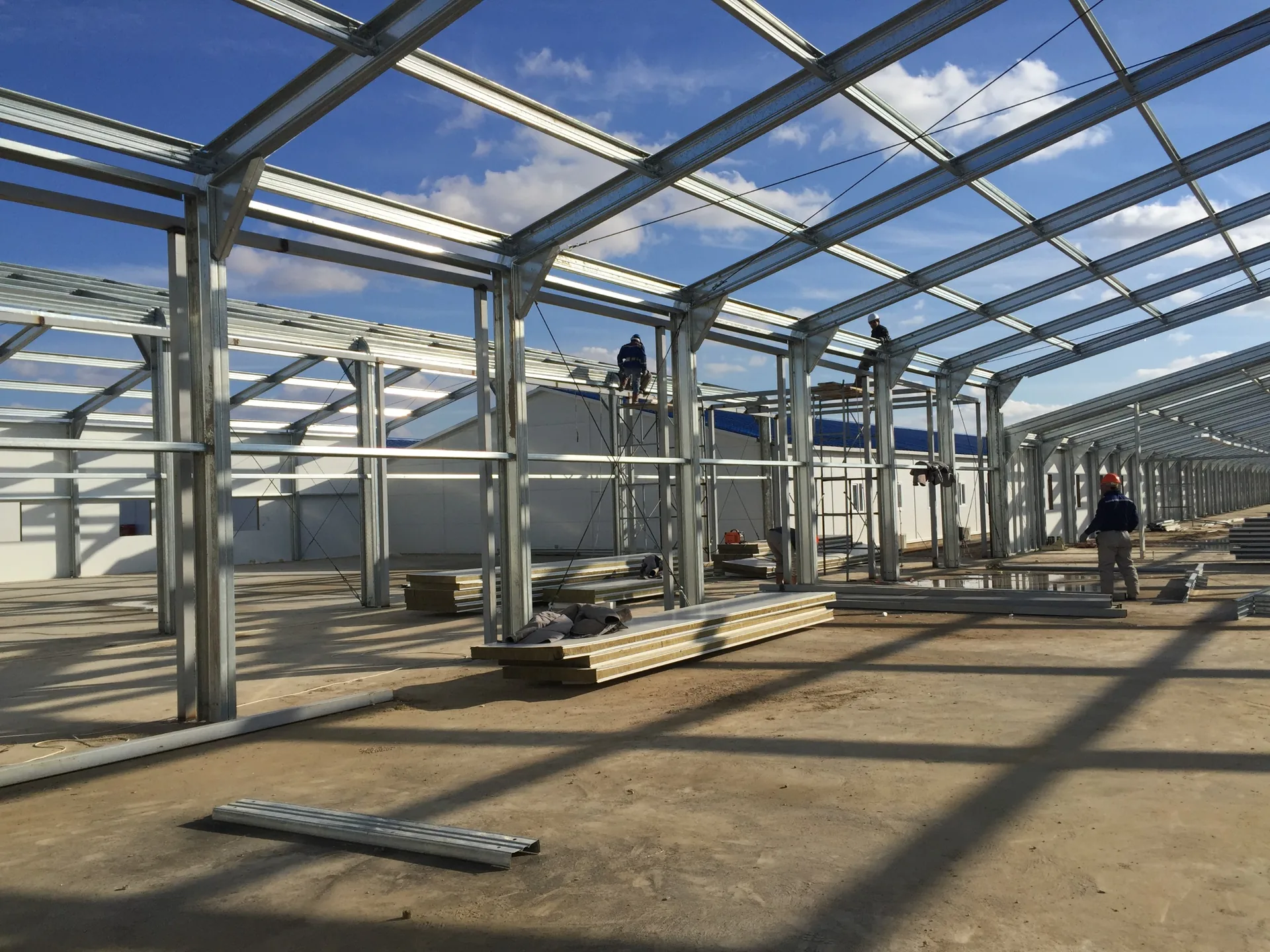
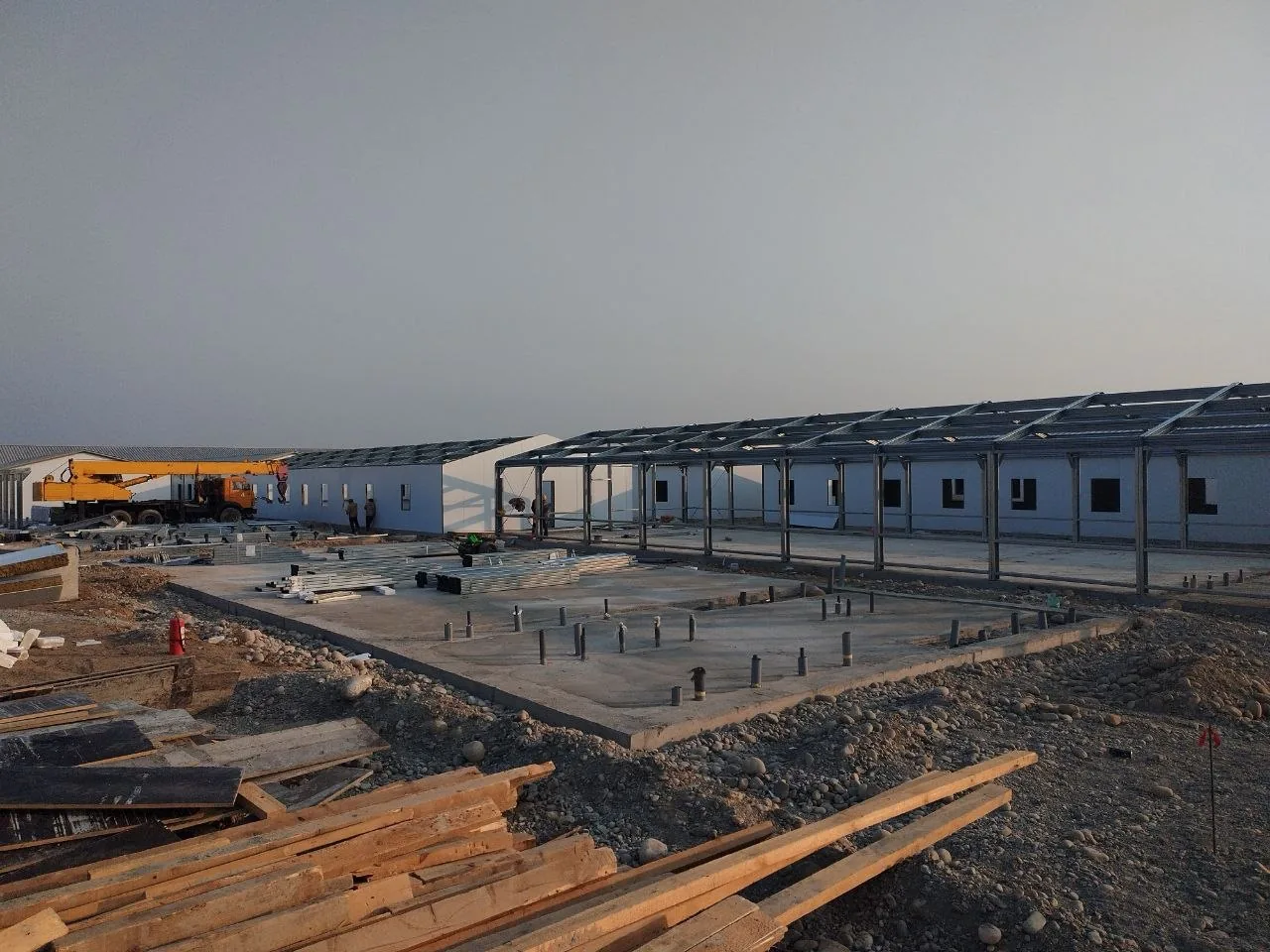
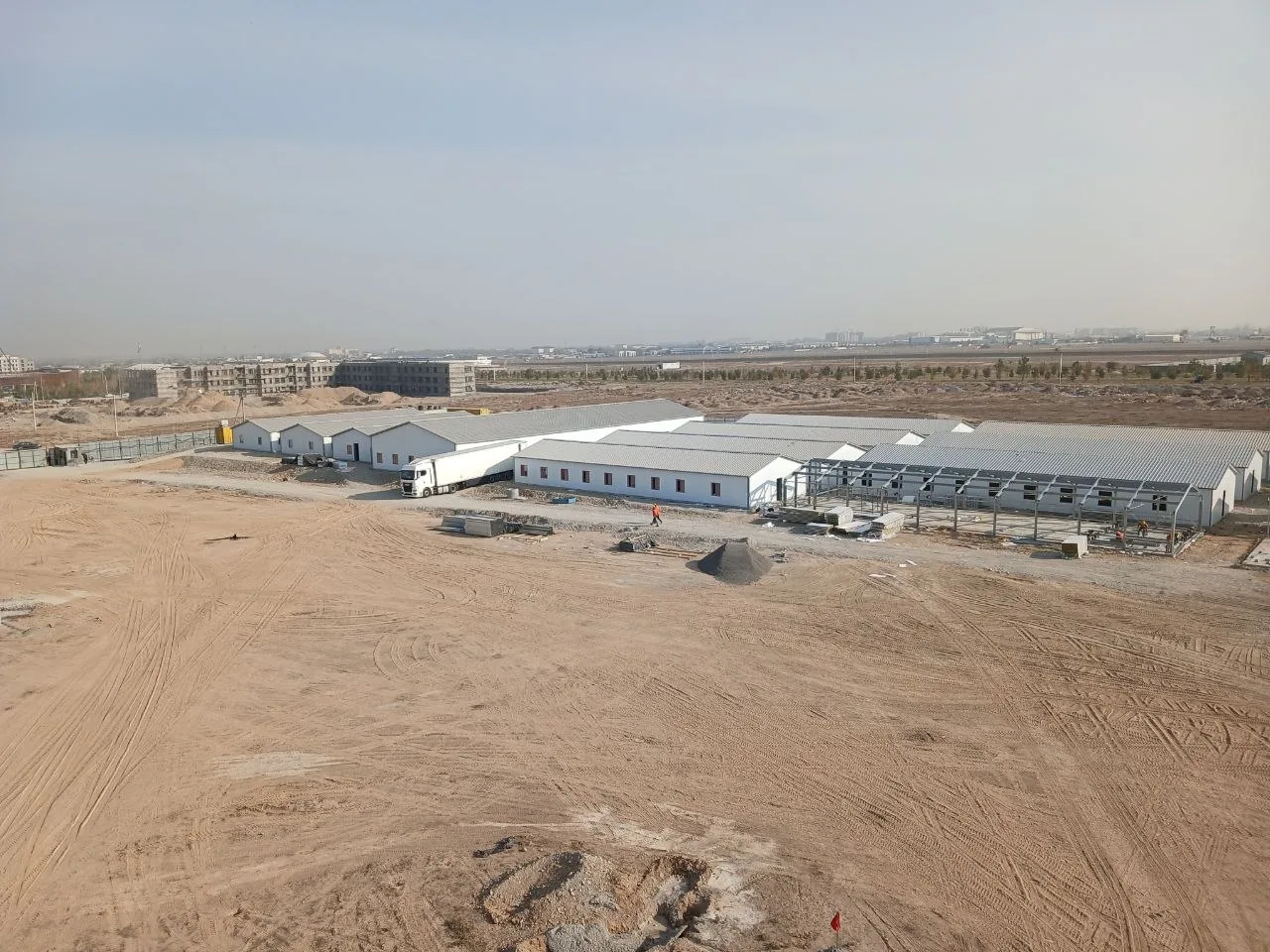
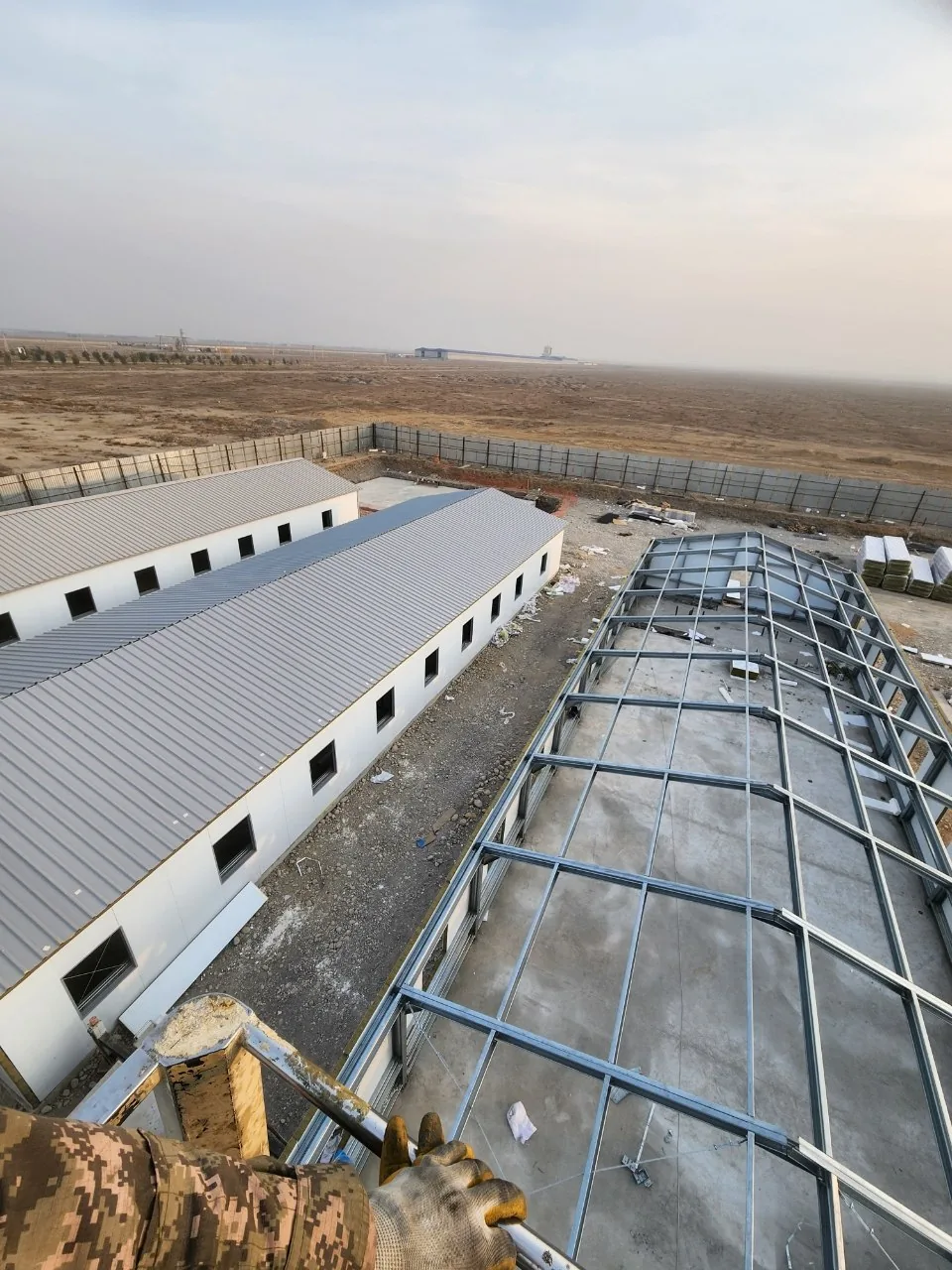
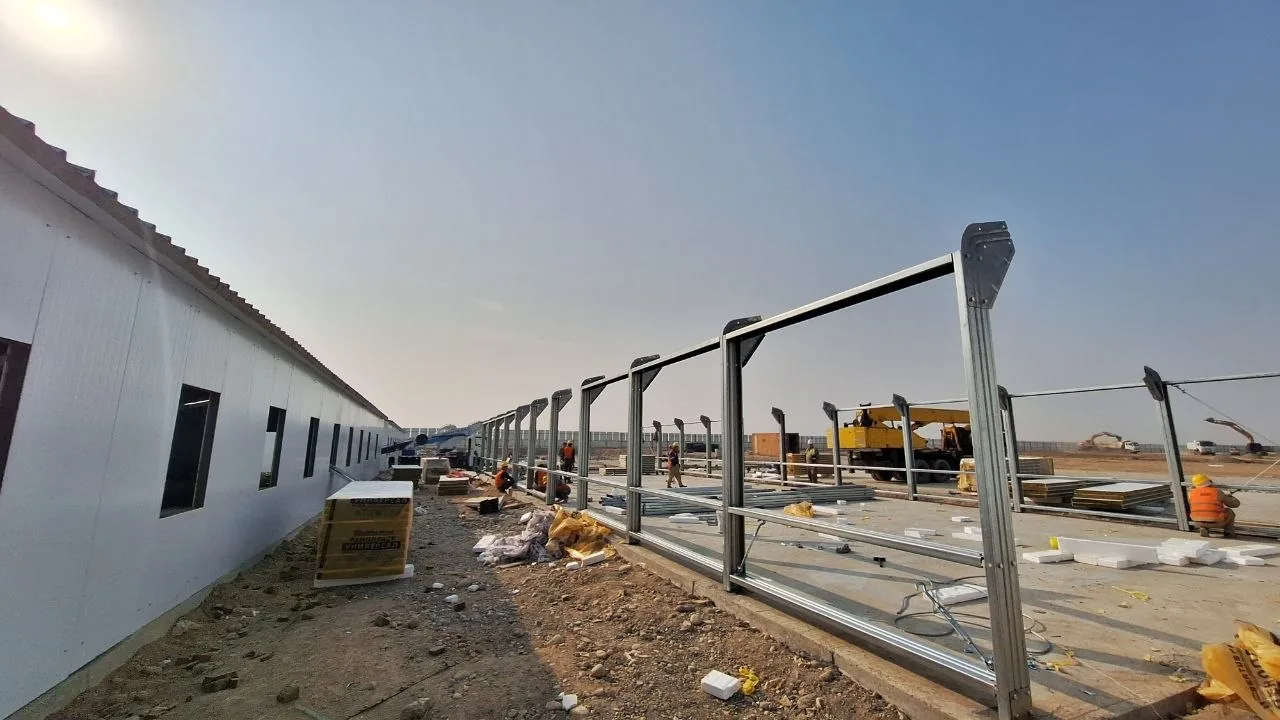
Picture this: you need a warehouse or a production facility, the deadline is tight, the budget is limited, and the building has to last for years. This is exactly the kind of situation where LSTK steel framing combined with basalt sandwich panels becomes a compelling choice. Let's take a closer look at what makes each technology stand out — and why pairing them together makes so much practical sense.
What Is LSTK and How Does It Differ from Conventional Steel?
LSTK stands for light-gauge steel thin-walled construction. Unlike heavy steel frames, LSTK profiles are cold-formed from thin galvanised sheet metal. The result is a structure that weighs significantly less while still maintaining the load-bearing capacity needed for industrial and commercial buildings.
In practice, this translates into tangible benefits:
- Foundation loads decrease — which means lower foundation costs.
- Frame components are manufactured off-site and arrive ready for assembly.
- Assembly relies on bolted connections rather than welding, speeding up the process.
- Transportation costs drop because the components are lightweight.
If you'd like a deeper dive into why steel structures are becoming increasingly popular, we've covered that topic separately.
Basalt Sandwich Panels — What Sets Them Apart?
A sandwich panel is a prefabricated wall or roof element consisting of two metal sheets with an insulating core in between. Various core materials exist — polyurethane foam, polystyrene, mineral wool, and others. However, panels with a basalt fibre core offer a distinct combination of properties.
Thermal Insulation
Basalt fibre has low thermal conductivity. In winter, heat stays inside; in summer, outside heat is kept at bay. The practical outcome is noticeably lower heating and cooling expenses.
Fire Resistance
Basalt is a volcanic rock. Fibres derived from it are inherently resistant to fire, and basalt-core panels are typically classified as non-combustible or difficult to ignite. This is especially relevant for buildings with strict fire safety requirements.
Sound Insulation
Noise matters in production facilities, warehouses, and office buildings alike. Basalt fibre core absorbs external sounds effectively, keeping the interior environment considerably quieter.
The greatest strength of a basalt sandwich panel is that it addresses thermal insulation, fire resistance, and noise control all at once.
For more on this topic, see our article on the 3 key advantages of sandwich panels.
LSTK Plus Basalt Panels: The Combined Advantage
Each technology holds its own, but the real value emerges when they work together:
| Parameter | LSTK + basalt panel | Traditional brick or concrete |
|---|---|---|
| Construction speed | Typically a few weeks | Several months |
| Foundation requirements | Lightweight foundation sufficient | Heavy, massive foundation needed |
| Fire resistance | Basalt core does not burn | Brick doesn't burn, but insulation is a separate task |
| Energy efficiency | Panel doubles as insulation | Additional insulation layer required |
Installing sandwich panels onto an LSTK frame is essentially a dry process — no plastering, no concrete pouring, no lengthy drying periods. That means far less dependence on weather, so construction can continue through cold or rainy seasons without major delays.
We've explored a real-world example in our piece about building a factory in 45 days.
Which Buildings Suit This Combination Best?
The LSTK-plus-basalt-panel approach performs particularly well for:
- Warehouses and storage facilities
- Production workshops and small factories
- Retail and exhibition halls
- Auto service centres and logistics hubs
- Temporary or seasonal structures
Our detailed article on LSTK and sandwich panels for factories, hangars, and warehouses covers this in greater depth.
Key Points to Keep in Mind
Like any building approach, this combination has its nuances. Here are the factors worth paying attention to:
- Structural calculations — wind loads, snow loads, and operational loads must be computed by qualified engineers.
- Panel thickness — the right thickness depends on the local climate; panels between 80 and 150 mm are commonly used.
- Installation quality — if joints and fastening points are done poorly, even the finest materials won't deliver results.
- Corrosion protection — LSTK profiles must be galvanised or coated; otherwise, moisture will cause rust over time.
This is precisely why quality control in construction carries extra weight in projects like these.
Final Thoughts
An LSTK steel frame paired with basalt sandwich panels is a combination that brings together speed, cost-efficiency, and functionality. If you need a sturdy, well-insulated, fire-resistant building on a tight timeline, this approach deserves serious consideration. The key is working with an experienced team that can handle the engineering calculations and carry out installation with care — because even the best material only reaches its full potential when it's in skilled hands.